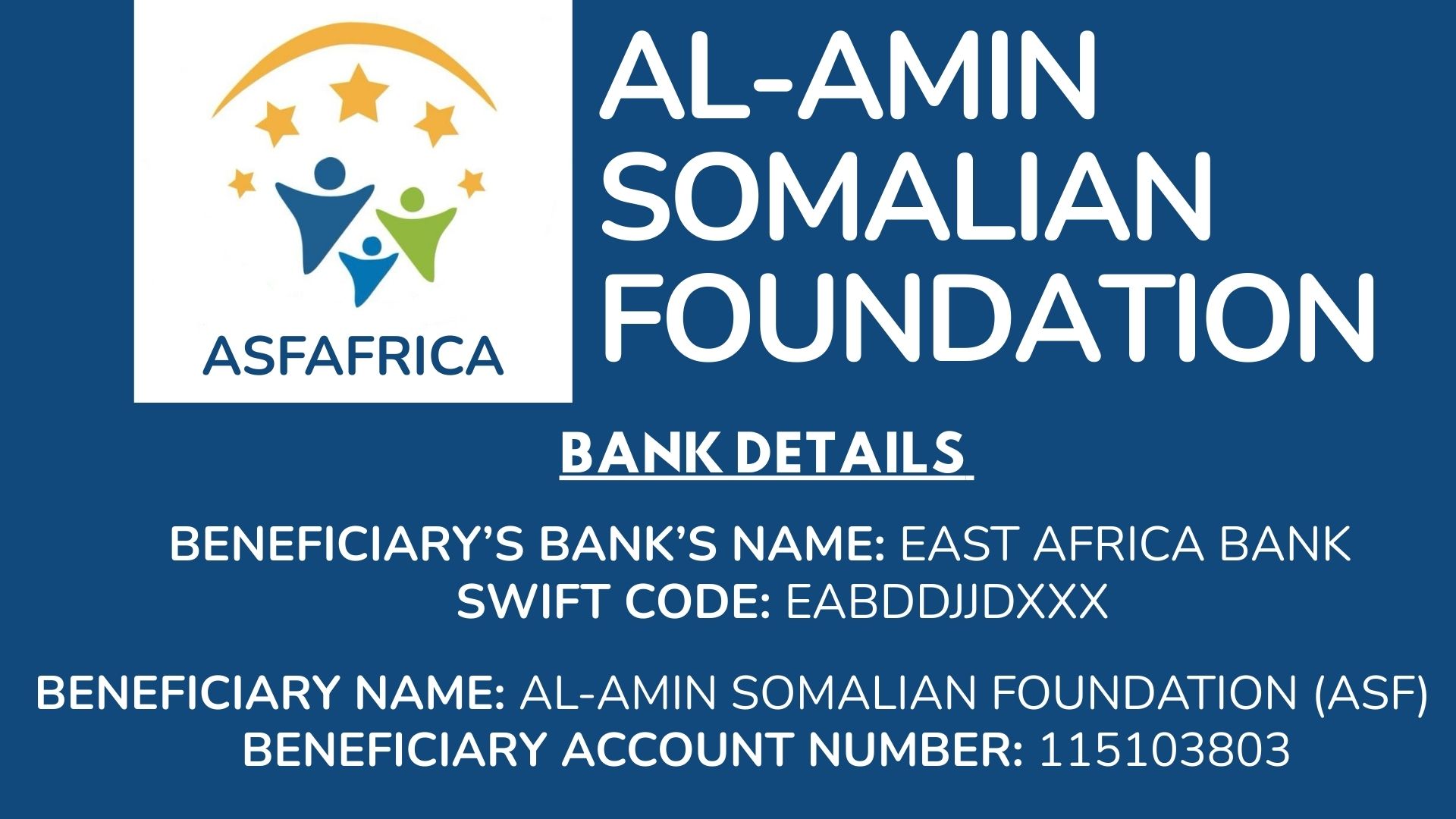

Health is the heartbeat of every thriving community. In Kismayo’s sun-drenched lanes and Calenley’s resilient neighborhoods, families understand that wellness is not just about surviving—it’s about unlocking potential, creating opportunity, and driving hope where the odds feel overwhelming. At the core of true empowerment lies something bigger than statistics: the daily choices, struggles, and small victories that define community life. When families grow healthier, the ripple effect surges through schools, markets, places of worship, and every corner where people gather. The truth? A healthy community is an unstoppable force. As we peel back the layers, this story reveals how improving health in Somalia is far more than an NGO mission—it’s a movement that turns setbacks into comebacks, ordinary people into community champions, and adversity into sustainable strength. Every donor, volunteer, and reader has a chance to fuel this remarkable journey, and the impact doesn’t just change lives; it multiplies hope.
Healing Begins at Home: The Foundation of Lasting Change
Homes are more than brick and mortar; they are sanctuaries where values are shaped, dreams are seeded, and health habits are built. In Kismayo, a mother’s wisdom often carries more weight than any public health poster. Families gather in courtyards, exchanging remedies and stories—knowledge passed from elders, advice adapted to new realities, and lessons woven into everyday rituals. These grassroots efforts spark the first flame of prevention, whether it’s washing hands, preparing nutritious meals, or recognizing the early signs of illness before they escalate.
Small changes within households can break long-standing cycles. Introducing clean water practices, for example, does more than prevent disease; it frees children from endless bouts of stomach pain, allowing them to chase education instead of clinic visits. When a parent understands how to treat minor wounds or recognize dehydration, emergencies are caught early, and unnecessary tragedies are averted. The real genius of community health emerges from these unsung acts—simple yet profound.
Across Kismayo, family champions emerge quietly. Fathers prioritize vaccinations, mothers form informal support groups, and children bring home lessons from school, eager to become agents of change. These actions aren’t always headline-grabbing, but they lay the groundwork for lasting improvement. Strong homes set the tone for resilient neighborhoods, turning adversity into an opportunity for collective progress.
The journey from sickness to strength doesn’t start in hospital wards. It takes root in laughter over shared meals, patient explanations from grandmother to grandchild, and family meetings where priorities are debated and decisions made together. This is where transformation begins—not with grand gestures, but with the consistent nurturing of well-being, one household at a time.
Resilience Is Built, Not Born: Community Health as a Collective Force
Resilience is not an accident. It is built brick by brick through shared experience, determination, and relentless hope. In Calenley, every street corner tells a story of neighbors coming together during outbreaks, supporting each other during droughts, and finding creative solutions to stubborn challenges. When cholera threatened, women organized water purification campaigns, using songs and stories to educate without shame or fear. Men constructed latrines, ensuring everyone understood the importance of sanitation.
Collective action turns health education from a dull obligation into an empowering ritual. Community gatherings, whether festive or serious, double as forums for swapping life-saving knowledge. Trusted local leaders—teachers, faith leaders, respected elders—translate complex medical advice into everyday language, weaving lessons into sermons, songs, and school debates. When information spreads this way, it sticks.
ASFAFRICA’s initiatives don’t simply parachute in solutions. Local champions help design every program, ensuring interventions match cultural values and practical needs. For example, nutrition classes feature locally available foods, recipes adapted from family traditions, and hands-on cooking demonstrations. Women learn not only what to cook, but also how to stretch scarce ingredients and keep meals healthy even in lean seasons.
Community resilience is about more than bouncing back—it’s about bouncing forward, using every setback as fuel for growth. When health knowledge moves from outsider advice to neighborly wisdom, whole neighborhoods shift from passive recipients to active architects of their future.
From Disease to Opportunity: Reimagining Health as Economic Power
Good health is a silent engine driving economic success. When illness takes root, families lose more than money; they miss work, school days vanish, and entire communities slow down. In Kismayo, where every shilling matters, families know that robust health unlocks pathways to prosperity. Fewer sick days mean more hands in the market, greater productivity on farms, and steady attendance in classrooms. Parents can provide, children can learn, and local businesses flourish.
When ASFAFRICA introduced basic first aid and maternal care workshops, women reported fewer pregnancy complications, healthier infants, and less time spent queuing at clinics. Time saved meant more hours weaving baskets, selling fish, or tending livestock. The ripple effect is unmistakable: as health improves, incomes climb, debt shrinks, and opportunities multiply. Wellness isn’t just about avoiding pain—it’s the foundation on which small enterprises grow and educational dreams become reality.
For young people, better health removes invisible barriers. A teenager who avoids chronic illness is more likely to finish school, land a job, and contribute meaningfully to society. Health initiatives become launch pads for youth empowerment. Stories abound of girls who, once regularly sidelined by treatable infections, now lead school clubs and plan for university. Every donor who supports community health doesn’t just fund medicine—they open doors to untold futures.
Even the elderly feel the shift. With greater access to preventive care and health screenings, elders enjoy more active, dignified lives. Their wisdom and experience ripple through the community, mentoring younger generations and helping shape the future. In the end, the biggest opportunity comes from the simplest promise: when people feel good, everything becomes possible.
Trust: The Invisible Glue Holding Health Systems Together
Trust shapes every interaction in healthcare. It determines whether a mother will seek prenatal care, whether a father takes his son for vaccination, or whether an elder believes a nurse’s advice over a neighbor’s rumor. In Calenley, trust is not automatic; it is earned through consistency, respect, and shared experience. Stories of clinics running out of medicine or health workers treating families coldly erode confidence. On the other hand, simple acts of kindness—a greeting, a follow-up visit, honest explanations—build bridges where none existed.
ASFAFRICA’s approach places trust at the center. Volunteers and health professionals are often recruited from the neighborhoods they serve, speaking the local dialects, understanding community rhythms, and respecting cultural taboos. When people see familiar faces in white coats, skepticism fades. Transparency in program planning, from sharing funding sources to updating on challenges, reinforces this trust.
Communication is everything. Information must flow both ways: residents must feel heard, and health workers must explain their decisions clearly. Feedback sessions, suggestion boxes, and regular community meetings keep dialogue alive and help adapt programs to evolving needs. When people feel ownership over their health journey, participation skyrockets, and outcomes improve.
Without trust, even the best medicine can fail. With it, even modest resources stretch further, compliance soars, and innovations take root. The ultimate measure of any health system is not in charts or numbers, but in the trust communities place in those who serve them.
Case Study Spotlight: Turning Crisis Into Triumph in Kismayo
In early 2023, a measles outbreak sent shockwaves through Kismayo’s tight-knit neighborhoods. Panic swept through schools and markets as families remembered previous epidemics. This time, the response looked different. Local mothers, trained as peer educators by ASFAFRICA, mobilized quickly—door to door, they explained symptoms, distributed leaflets, and organized vaccination drives. Social media groups buzzed with real-time updates, correcting misinformation and calming nerves.
One mother, Fadumo, became a local hero. Her own child fell ill, but her training kicked in. She recognized early warning signs, sought medical help, and shared her story publicly. Her transparency inspired hesitant neighbors to participate in vaccination efforts. Clinics, already stretched thin, worked around the clock, supported by volunteers who managed queues, sanitized waiting rooms, and provided water and snacks for families.
Local businesses pitched in, donating supplies, while youth groups took to the streets with bullhorns, spreading vital information. ASFAFRICA coordinated logistics, ensuring vaccines reached every corner. By the end of the campaign, infection rates plummeted, and the community celebrated not just survival, but newfound unity and confidence. This real-world victory proved that with training, resources, and trust, ordinary people could transform disaster into resilience.
The aftermath revealed more than a drop in cases. Families shared stories at community gatherings, lessons were incorporated into school curricula, and health knowledge became neighborhood currency. Fadumo’s story rippled far beyond her street, inspiring future volunteers, donors, and health champions to step forward with renewed energy and hope.
Nutrition: The Unsung Hero Behind Every Thriving Family
Nutrition is the quiet force powering every dream. In Somali households, traditional meals are cherished, yet access to diverse, nutrient-rich foods can be limited by drought, conflict, or rising costs. Malnutrition remains a shadow over too many children’s futures, silently robbing energy, stunting growth, and dulling potential. Addressing this challenge requires more than handouts; it demands innovation, cultural sensitivity, and community buy-in.
ASFAFRICA’s nutrition initiatives break the mold. Cooking classes bring together grandmothers, fathers, and children to share recipes, learn about food groups, and experiment with locally sourced ingredients. Kitchen gardens, once a rarity, are springing up in backyards, supplying families with fresh vegetables and fruits even when markets run dry. Young mothers trade tips at weekly meet-ups, discussing how to stretch food budgets without sacrificing quality.
School feeding programs offer a critical safety net. For many children, a hot meal at school is their only guarantee of daily nutrition. Teachers track progress, monitor weight, and spot early warning signs of malnutrition. Partnerships with local farmers ensure menus are sustainable, affordable, and tailored to the tastes of the community.
Education is as important as food itself. Knowledge about portion sizes, food safety, and balanced diets travels faster when delivered through stories, songs, and visual aids. The ultimate goal isn’t just full stomachs—it’s energetic minds, strong bodies, and the confidence to pursue every opportunity that comes with good health.
The New Frontier: Technology’s Role in Health Transformation
Technology is reshaping community health, even in the most remote parts of Somalia. Mobile phones deliver reminders for immunizations, track pregnancies, and allow real-time communication between families and clinics. In Kismayo, health workers use tablets to log patient data, identify outbreaks early, and coordinate logistics more efficiently than ever.
Telemedicine is reducing barriers for those living far from clinics. Women with complicated pregnancies consult doctors in Mogadishu without leaving their homes, and specialists advise on chronic conditions through secure messaging apps. This digital revolution breaks down traditional limits—distance, cost, and even stigma—offering new hope to families once isolated by geography.
Social media campaigns amplify critical health messages, counter rumors, and mobilize community action during emergencies. WhatsApp groups keep mothers informed, connect young people to mental health resources, and link elders to wellness checks. Technology makes it easier for donors and volunteers to monitor progress, share success stories, and stay engaged from anywhere in the world.
With every leap forward, digital tools expand the impact of limited resources, ensuring even the smallest health victories are celebrated, documented, and replicated. Technology is not a replacement for personal connection, but a powerful ally in the fight for better health.
Women at the Helm: The Real Health Revolutionaries
Women drive the most impactful health transformations. In every Somali community, mothers, daughters, and grandmothers shape health habits, nurse the sick, and advocate for wellness at home and beyond. ASFAFRICA invests heavily in empowering women as frontline health workers, peer educators, and local leaders.
Female volunteers train their neighbors on hygiene, nutrition, and preventive care, making information accessible and relatable. Their outreach efforts break down cultural barriers that often keep women and girls from seeking help. Girls mentored by female health leaders are more likely to continue their education, marry later, and raise healthier children themselves.
Women’s cooperatives provide economic stability and healthcare access. Microloan programs enable mothers to start small businesses, while group savings support emergency medical costs. These initiatives not only reduce financial vulnerability but also boost women’s influence within their families and communities.
Championing gender equity in health is more than fairness; it’s smart strategy. Research consistently shows that when women thrive, everyone benefits. Improved maternal health lowers child mortality, increases school attendance, and accelerates progress on every Sustainable Development Goal. Supporting Somali women means investing in the future of entire communities.
Volunteering: The Human Engine Behind Every Success Story
Volunteers are the secret sauce fueling progress. From high school students to retired elders, every helping hand strengthens the safety net in Kismayo and Calenley. Volunteers provide services clinics cannot: tutoring, emotional support, home visits, and logistical support during emergencies. Many bring unique skills—teaching first aid, organizing transportation for the disabled, or translating health materials into local languages.
Personal stories animate the power of volunteerism. Ahmed, once a patient at an ASFAFRICA-supported clinic, returned as a volunteer, using his recovery journey to inspire others facing similar challenges. His presence reassures nervous newcomers, and his commitment drives programs to reach more people.
Donors often ask where their contributions go. The answer: into the hands of these volunteers, who multiply every dollar by giving their time, expertise, and passion. They are the lifeblood of ASFAFRICA, modeling the spirit of community-driven development.
Volunteering offers personal rewards, too. Participants gain skills, forge friendships, and experience a sense of purpose that lingers long after their shift ends. This virtuous cycle creates a culture where giving and receiving are intertwined, ensuring sustainability for generations.
Join the Movement—Health Transforms Everything
Better health is more than the absence of disease. It is freedom, dignity, and the fuel for every dream that lights up Somali families. From Kismayo’s lively markets to Calenley’s quiet streets, ASFAFRICA’s work reveals that true resilience begins with a simple promise: no one is left behind. Every program, every story, every volunteer effort stitches a safety net strong enough to catch anyone who falters, yet flexible enough to lift every dreamer higher.
Donors and volunteers are not bystanders. They are the architects of tomorrow, the partners in every victory, and the voices that turn whispers of hope into thunderous progress. By investing in health, you don’t just heal wounds—you build futures, transform families, and rewrite the story of an entire region. The time to join is now. This movement thrives on every new heart, every generous act, and every bold idea. Kismayo’s best days are ahead, powered by the collective spirit of those who believe in a healthier, stronger, and more resilient community. The journey has only just begun—will you be part of the next great chapter?