
Walking through the sun-baked streets of Kismayo Calenley, you witness the energy of young lives waiting for their chance. For many families, school adoption means that battered classroom doors swing open, and with them, hope floods in. This is not abstract charity. It is an immediate, palpable lifeline—a school repainted, broken desks repaired, dusty chalkboards replaced with clean ones. The community does not just receive support; they become collaborators in reviving learning spaces. The ripple effects reach far beyond any single child. When a neglected school springs back to life, an entire neighborhood’s spirit is lifted. This restoration gives the village its heartbeat, transforming quiet resignation into vibrant ambition. Parents start believing their children can become doctors, teachers, or engineers, not just dreamers watching others succeed from afar.
The transformation is more than physical. Once desolate classrooms now echo with laughter and possibility. Teachers who once considered quitting now arrive earlier, stay later, and see every lesson as a chance to make a dent in the cycle of poverty. Classrooms, previously crowded and crumbling, now buzz with focus. Attendance soars. For the first time in years, students compete not just for seats, but for academic excellence. The shift becomes contagious: siblings, cousins, even neighbors press to join.
Hope is contagious, and so is resilience. Children start showing up in clean uniforms, with parents investing their limited resources into notebooks and pencils. The renewed environment instills pride and discipline, not only in students but in the wider community. Grandparents tell stories of a time when education seemed unreachable. Now, they marvel as girls and boys, side by side, recite lessons in a safe, inspiring environment.
This is the miracle of school adoption. A single investment echoes for generations. Where once there was silence, now there is the unbroken murmur of progress—a harmony born from collective will and a belief that every child deserves a future.
Beyond Bricks: Building Trust With the Community
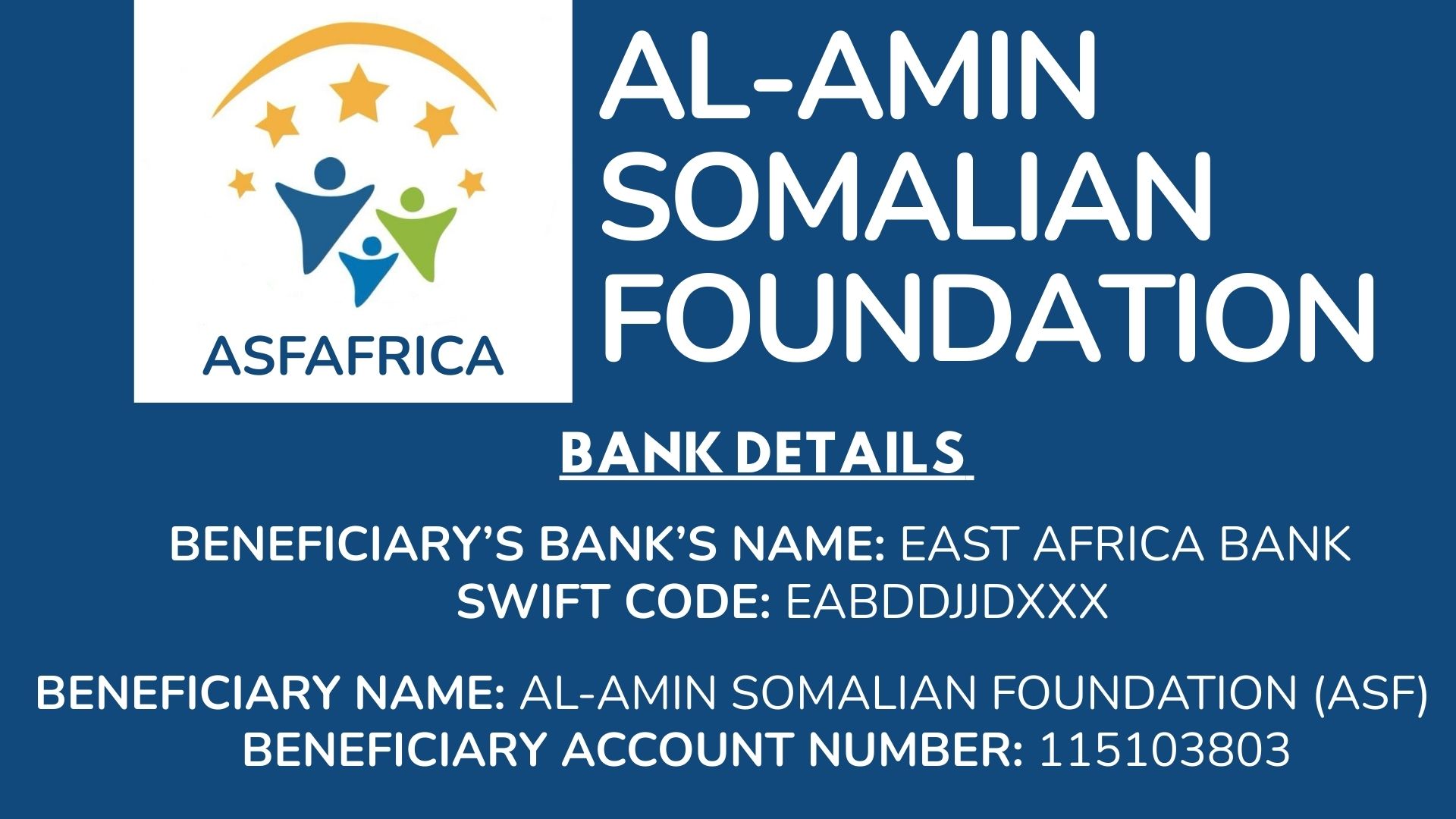
When NGOs like Al-Amin Somalian Foundation step in, they know that laying bricks alone will not change the world. Trust cannot be delivered on a truck. It must be grown, nurtured, and earned. The adoption of a local school begins with listening—truly listening—to the dreams and needs of the community. Instead of imposing solutions, ASFAFRICA co-designs each intervention with teachers, elders, and parents. The result? Projects that feel personal, not imported.
Families see their voices reflected in every classroom wall, each newly planted tree, and every extra-curricular club revived. School adoption does not mean outsiders fixing problems; it means igniting solutions from within. This approach breeds lasting engagement and mutual respect. When students see community members repairing the roof or painting murals, pride blossoms. Ownership grows. These are not “donor projects” but family legacies.
Local teachers become heroes. No longer sidelined, they are equipped, trained, and encouraged to lead with innovation. When children fall behind, teachers now have support networks—both peer and institutional—to intervene early and compassionately. Parent-teacher associations, often dormant, are re-energized as engines for local advocacy, school improvement, and even fundraising.
Case studies reveal that the strongest results come from schools where community engagement is highest. When parents and elders are actively involved, student retention rates jump, test scores climb, and dropout rates drop. Donors and volunteers see their impact up close, not in distant spreadsheets, but in the voices of parents who say, “We built this together.” Through school adoption, a new social contract forms—one where every child is everyone’s responsibility.
Rewriting Narratives: Education as a Beacon of Equality
For generations, too many Somali children have grown up internalizing limits. Girls in particular have been told their futures belong within the home, not the classroom. School adoption shatters these barriers. Each sponsored girl in uniform signals to her peers and her village that a different future is possible. Suddenly, daughters are as likely as sons to bring home report cards and awards.
These shifts are not only symbolic—they are structural. Programs ensure that girls have access to sanitary facilities, mentorship from female teachers, and protection from early marriage pressures. When NGOs partner with schools, girls’ enrollment rates rise and their attendance stabilizes. It is not uncommon to hear stories of girls who, after joining an adopted school, go on to secure scholarships, attend university, and return as educators or community leaders.
The effects extend to boys as well. Young men see strong female role models and are taught to value intelligence and leadership in all classmates. The school becomes a microcosm of a more equitable society, one where collaboration triumphs over competition, and empathy is as important as achievement.
Equality is not just a slogan—it is woven into daily routines. Assemblies feature both boys and girls sharing achievements. Girls run science clubs, boys join debate teams, and teachers foster a sense of fairness that seeps into every corner of community life. Case after case demonstrates: when education becomes truly inclusive, poverty, violence, and marginalization recede. In their place: dignity, confidence, and opportunity.
Teachers at the Heart: Investing in Heroes
A school is only as strong as its educators. School adoption programs recognize this and put teachers at the center. Gone are the days of teachers working in isolation, under-resourced and undervalued. Through training, mentorship, and direct material support, teachers become change agents—capable not just of delivering lessons but of reshaping futures.
Professional development workshops provide fresh approaches to literacy, numeracy, and life skills, infusing the classroom with energy and creativity. Teachers learn how to address trauma, support diverse learners, and harness technology. Case studies from Kismayo Calenley show that when teachers feel equipped and supported, their confidence soars. Turnover rates drop. Instead of seeking work elsewhere, they dig in and invest in their students.
Mentorship becomes a daily practice. Experienced educators coach new recruits, sharing strategies for classroom management and individualized instruction. The ripple effect is enormous: students feel understood, parents see progress, and administrators gain allies in pushing for further improvements.
Teachers tell their own stories of transformation. One primary school teacher described how, after attending her first sponsored training, she introduced peer-learning circles that doubled reading comprehension rates in one semester. Another turned a makeshift storeroom into a thriving science lab. The lesson: investing in teachers multiplies every other investment. Every lesson plan becomes a seed, each interaction a spark.
More Than Lessons: Nurturing Whole Children
Education extends far beyond textbooks. School adoption programs infuse learning environments with art, sport, and emotional support. Recognizing that hunger impedes learning, school feeding programs are introduced. Children who once arrived distracted and exhausted now have the energy to focus and participate.
Extracurricular clubs flourish, from drama and music to environmental stewardship. These activities unlock hidden talents, foster teamwork, and teach critical life skills. Children who once struggled with shyness now command stages during school assemblies. Friendships blossom across neighborhoods and backgrounds, breaking down social barriers and nurturing empathy.
Holistic support also means mental health care. Trained counselors, peer groups, and wellness workshops equip children to navigate challenges like loss, trauma, or displacement. Every smile at recess is a small victory—proof that well-being and academic achievement go hand in hand.
Local stories highlight the profound effect of this approach. One boy, once labeled a troublemaker, became the star of his school’s soccer team, crediting his coach with helping him turn around his behavior and outlook. Another student, previously withdrawn after losing a parent, found new joy in painting murals on school walls. These are not isolated triumphs. They are the product of a philosophy: every child deserves the chance to shine.
A Lifeline for Girls: Smashing Barriers to Access
Girls in Somalia face unique obstacles: early marriage, domestic responsibilities, and sometimes, outright resistance to their education. School adoption programs target these barriers head-on. Community dialogues address harmful traditions, while parent workshops emphasize the long-term benefits of girls’ education for families and society.
Facilities are upgraded to ensure safety, privacy, and hygiene, making it easier for girls to attend throughout the year. Female mentors, often former students themselves, inspire younger girls and act as confidantes. Scholarships and stipends remove the financial barriers that too often derail academic journeys.
Data tells a compelling story: after the introduction of girl-focused interventions, schools in Kismayo Calenley saw a surge in female enrollment and retention. One secondary school principal recalls how, within two years, his top ten students included six girls, compared to just one the previous year. Families now celebrate daughters’ academic achievements as enthusiastically as sons’.
The cultural ripple effect is profound. Girls who graduate become community advocates, helping change attitudes and inspiring future generations. Through school adoption, equality is not only advanced; it is championed and safeguarded, turning hope into action and dreams into reality.
Technology and Innovation: Opening New Doors
Education in the 21st century demands more than chalk and talk. School adoption programs in Somalia now prioritize digital literacy and technology integration. Computer labs are set up, teachers trained on new software, and students introduced to coding and internet research. Even in remote communities, connectivity brings the world closer, opening minds to ideas and opportunities once unimaginable.
These efforts close the digital divide. Young people who once had no access to computers now compete on equal footing with peers globally. Parents, initially skeptical, see children learning new skills and accessing scholarships, international competitions, and even remote mentorships. The excitement is infectious.
Technology also revolutionizes administrative efficiency. Attendance, grading, and communication improve, allowing teachers to focus more on teaching than paperwork. Transparency in record-keeping reassures donors that every dollar is accounted for, further strengthening trust.
Case studies show dramatic improvements. One Kismayo school, after receiving a batch of tablets and basic training, saw test scores in math and science leap by 30 percent within a year. Children who had never seen a computer before now design apps, build robots, and dream beyond local horizons. The future is no longer distant; it is now in their hands.
From Dependency to Agency: Building Self-Sustaining Models
The hallmark of successful school adoption is not perpetual dependency but eventual independence. ASFAFRICA designs projects to empower local stakeholders to lead and sustain improvements. Skills transfer workshops equip community members with budgeting, project management, and maintenance skills. Local procurement ensures money stays in the region, building local businesses alongside schools.
Parental engagement is key. Families take ownership by contributing time, resources, or expertise. School boards include representatives from all backgrounds, guaranteeing inclusivity and fairness. The more the community contributes, the greater their investment in outcomes.
Results speak for themselves. After three years of engagement, one school in Kismayo Calenley transitioned from external funding to local fundraising, organizing cultural festivals and alumni campaigns to keep improvements alive. Donors appreciate this approach, knowing their contributions build lasting foundations rather than temporary fixes.
Agency replaces dependency. Children see role models all around them—parents leading, teachers innovating, alumni returning to mentor. The narrative shifts: these are not passive beneficiaries, but active architects of their future. The message for donors and volunteers is clear: your involvement sparks transformation that endures.
Creating a Legacy: The Ripple Effects of School Adoption
A thriving school becomes a beacon, drawing positive energy and investment into its orbit. Infrastructure upgrades attract better teachers. Stable schools boost local economies as shopkeepers, transporters, and service providers benefit from increased activity. Crime rates drop. Children with hope are less vulnerable to negative influences.
The benefits radiate outward. Communities rally to address issues beyond the classroom: water access, sanitation, food security. The sense of collective accomplishment spills over into other initiatives, from women’s cooperatives to youth sports leagues. The result is a virtuous cycle of improvement.
Documented case studies across Somalia demonstrate that villages with adopted schools report higher employment rates, healthier families, and greater resilience during crises. These ripple effects—jobs created, businesses opened, violence reduced—cannot be underestimated. Each success story becomes a seed, inspiring nearby communities to launch their own journeys.
This legacy is the best argument for donor investment. It is not charity, but partnership—one that multiplies value across generations. Volunteers, too, leave with stories of change, relationships built, and lives enriched. Hope restored in one school soon lights the entire region.
A Call to Transform Possibility Into Promise
School adoption is more than a program; it is a revolution in slow motion. It works because it understands that hope is built, not given. The classrooms of Kismayo Calenley stand as monuments to what is possible when communities, donors, and volunteers act in unison. The journey from broken buildings to vibrant learning centers proves that investment in education is the highest form of optimism.
Every story, from a girl acing her first math exam to a teacher launching a science club, is a testament to what focused support can achieve. This is not theory—it is fact, etched in the lives of thousands who have walked through those open doors. Education changes not only minds, but destinies. The cycle of poverty cracks, replaced by one of potential, resilience, and dignity.
For donors seeking genuine impact, school adoption delivers exponential returns. For volunteers searching for purpose, it offers daily victories. For communities longing for hope, it builds something priceless: a sense of agency, belonging, and a future that belongs to them.
The journey is not finished. Countless children still wait. Their dreams are as bright and urgent as any on earth. To those with the means or the desire to help, the invitation stands: join us. Transform possibility into promise. Help write the next chapter where hope and education walk hand in hand, shaping a future worth believing in.